 Maui Photoshoot
What to Wear for a Maui Photoshoot (and What the Sessions Provide)
Ask any island photographer what to wear Maui photoshoot clients keep getting wrong, and the answer is rarely the dress. It is the layers that fight the wind, the neon that reflects onto skin, and the packing list built for a generic beach instead of this island, where the same trip can put you on golden sand at golden hour, on black lava rock, and at a 10,023-foot summit where sunset is near-freezing in any month. The good news is that the sessions themselves carry more of the load than most packing lists assume, from state permits to jackets to mermaid tails, so your own list is short. This guide covers the colors that work here, what to bring, what each bookable session already provides, and the one Hawaii law your sunscreen has to pass.
Quick answer
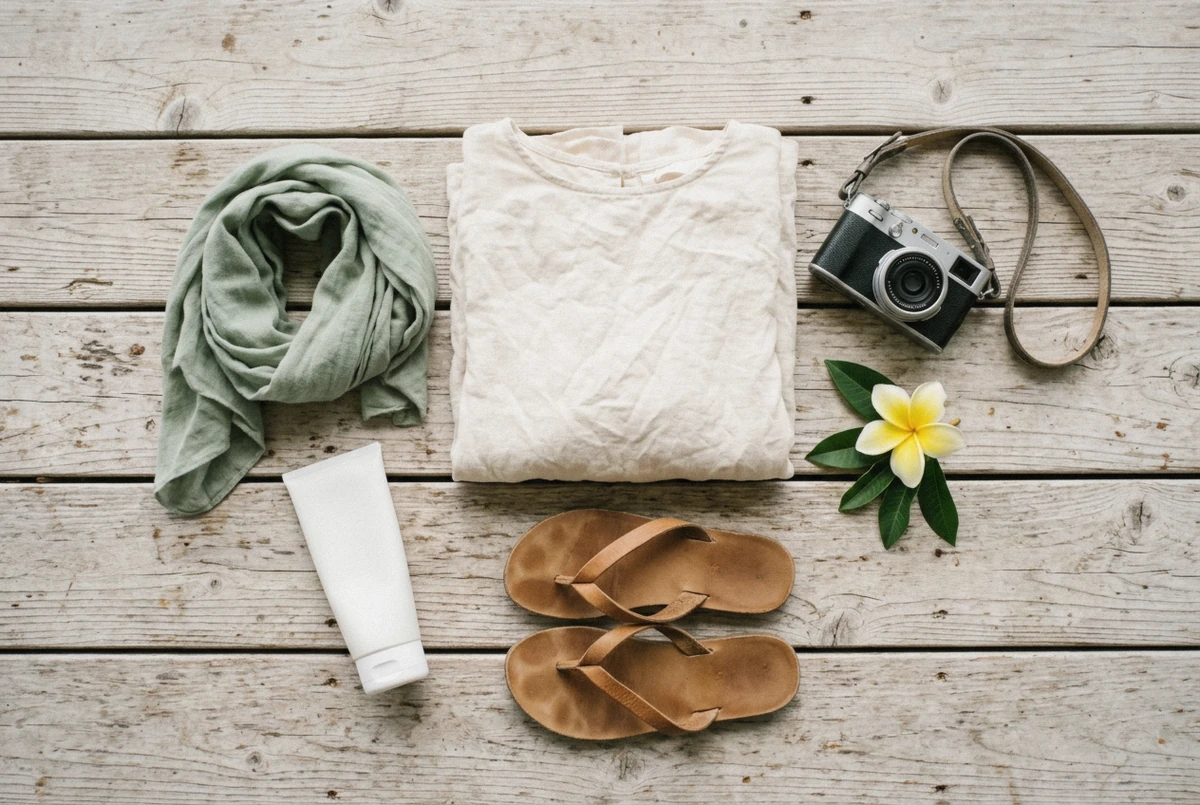
Wear soft, single-layer fabrics in cream, sage, terracotta or muted blue, arrive barefoot-ready, and let the trade winds do the styling. The sessions provide more than you would guess: the Haleakala sunset tour brings jackets and gloves for the near-freezing summit, and the mermaid session supplies the tail and accessories but not your swim top. Skip neon, logos and untested white, and make sure your sunscreen is reef-safe, which in Hawaii is the law, not a suggestion.
Key takeaways
- Colors that work on Maui's golden sand: cream, sage, terracotta, muted blue. Neon reflects onto skin and logos date the photos.
- The sessions carry the gear: jackets and gloves on the Haleakala sunset tour, snorkel kit on the Turtle Town trip, water shoes and towels on the Hana photo day.
- Bring your own swim top for the mermaid session; tails, monofins and accessories are provided, bikini tops are not, except for toddlers and bridal shoots.
- Golden hour runs about 5:30 to 7pm in winter and 6:30 to 7:30pm in summer, so dress for a warm evening with one light layer for after sunset.
- Hawaii has banned the sale of sunscreen with oxybenzone and octinoxate since January 2021: pack a reef-safe bottle or buy one on island.
- Footwear answer in one line: arrive in sandals you can slip off, shoot barefoot on sand, and save closed shoes for lava rock and rainforest trails.
The Colors That Work on Maui, Frame by Frame
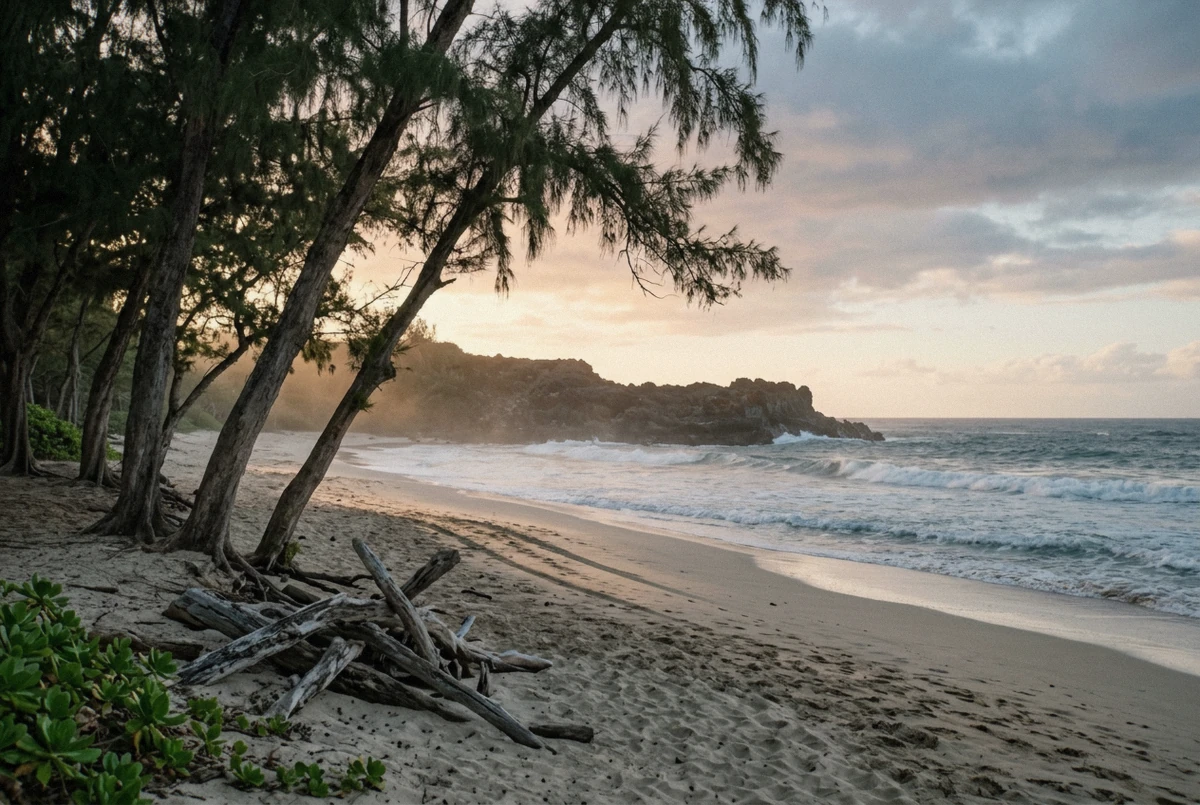
Maui does the color work for you: golden sand, turquoise water, black lava rock and green ridgelines are already in the frame, so your outfit's job is to sit beside them rather than compete. The photographers who shoot here daily converge on the same palette. One Maui family studio's styling guide leads with cream, sage and soft blue as its most versatile combination, and warm neutrals like rust, camel and dusty mauve for sunset light. A Wailea studio's page adds that rich colors belong here too: black, deep green and dark blue photograph beautifully against the warm gold of sunset, as long as they anchor the outfit rather than cover the whole group.
The frame you are standing in changes the answer. On golden sand at golden hour, cream, sage and terracotta pick up the warm light and look like they belong. On black lava rock, the backdrop is dark and heavily textured, so light tones and soft pastels separate you from the rock, while dark outfits sink into it; one Maui maternity photographer who shoots the lava coastlines regularly styles clients in warm ivory and small pastel florals precisely for that separation, or goes fully the other way with jewel tones like rust and deep teal when the goal is drama. In the rainforest half of a Road to Hana photo day, earthy creams and light sage stand out from the green; tangerine and citrus tones pop against it.
| Color | Good? | Why |
|---|---|---|
| Cream / warm white | Yes | Picks up golden-hour light on sand, separates you from lava rock |
| Sage / muted green | Yes | Reads as coastal on the beach, still distinct from rainforest green |
| Terracotta / rust | Yes | Warms further at sunset; the strongest earth tone on golden sand |
| Muted blue / aqua | Yes | Echoes the water without matching it; works sunrise and sunset |
| Bright white | Careful | Beautiful at sunrise, but do the light test: strong Hawaii sun turns thin white see-through, and red iron sand can stain it |
| Black / deep jewel tones | Sometimes | Strong against warm sunset gold; disappears against lava rock and absorbs heat at midday |
| Neon | No | Reflects its color onto skin and pulls the eye off faces |
| Logos / busy patterns | No | Brand marks date the photos; tight stripes and competing patterns distract, so keep patterned pieces to about one per three people |
Fabric and the Wind Reality
The trade winds blow across every exposed beach from late morning through evening, so the question is never whether your outfit will move, only how. A single flowing layer of chiffon, linen or cotton gauze catches the wind as movement, which is exactly the effect the island's photographers stage on purpose. Multi-layer ruffled pieces do the opposite: one Hawaii family photographer's guide warns that stacked layers and ruffles spend the whole session being pinned down instead of photographed.
For exposed lava-rock points and the windiest west-side beaches, a more structured fabric that holds its line beats a featherweight one that wraps around your legs, and anyone in a skirt or dress should plan a fitted layer underneath, because thin fabric goes sheer against a low sun and the wind will test it. Long hair needs a plan too: a style that can move naturally, plus clips or pins in your bag for quick resets.
Footwear, Item by Item
Barefoot is the default on sand, and every beach session here ends up there, so arrive in sandals you can slip off at the parking lot rather than sneakers you have to unlace. Simple leather sandals in brown or beige photograph fine when feet stay in frame on rocky ground. Closed shoes with grip belong on the Hana rainforest trails and on lava rock, where the surface cuts.
Water shoes are the answer for rocky waterfall entries, and the Hana photo day hands them out onboard. Heels sink into sand, wobble on rock and almost never survive the walk from the car; even the dressiest gown reads better barefoot on Maui sand.
What to Bring: The Short List
The bring-list is deliberately short because the sessions cover the equipment. These are the items travelers actually regret leaving at the hotel, each with the reason attached.
- Reef-safe sunscreen: Hawaii law, applied before the session, not during
- Your own swim top: the mermaid session provides tails, not tops
- A change of clothes: sand, spray and waterfall mist are inevitable
- Hair clips, pins and a brush: the trade winds will restyle you mid-frame
- One light layer: the breeze cools fast once the sun drops
- Sandals that slip off: sessions shoot barefoot on sand
- Small cash: gratuities are folded in on only some listings, an envelope covers the rest
- Blotting papers or a small towel: humidity shines skin by the second location
- A bag for phones, keys and sunglasses: pockets bulge in photos
- Extra travel time: golden hour does not wait for parking
What the Sessions Provide, So You Don't Overpack
This is the part generic packing lists cannot tell you: every listing in the complete Maui photoshoot catalog publishes its own inclusions, and several of them quietly delete whole categories from your packing list. Inclusions below are taken from the operators' own listings. Last verified: August 2026.
| Item | Usually provided | Bring your own | Notes |
|---|---|---|---|
| State film permit | Varies | Never yours to carry | Included on the golden-hour session and the family session; one big concierge brand excludes beach permit fees. The fine print lives in the homepage guide |
| Warm layers | On Haleakala | Only if driving yourself | The sunset tour provides jackets, gloves and warm clothing for the summit |
| Mermaid tail, monofin, accessories | Yes | Swim top | Tails from toddler to adult sizes; bikini tops not included except for toddlers and bridal shoots |
| Snorkel gear | On the water trip | Nothing | The Turtle Town trip includes high-end gear, and the crew shoots the underwater photos and video |
| Water shoes, towels, water | On the Hana photo day | Nothing | The 9-hour photo day provides all three for its waterfall swims |
| Posing guidance | Yes | Confidence | Every portrait listing includes direction; nobody needs modeling experience |
| Gratuities | Sometimes | Cash where not | Folded into the family session and the Turtle Town trip; elsewhere budget a tip |
| Hair and makeup | No | Yes | No listing in the catalog includes styling; book it separately if you want it |
| Photo delivery | Always | Nothing | From a flash drive handed over about 30 minutes after the family session to galleries that take weeks; the spread is covered in what to expect |
What Not to Wear or Bring
The don't-list comes from the working rules of the photographers who shoot these beaches, not from generic travel blogs.
- Neon anything: it reflects its color onto the skin of everyone standing next to it.
- Visible logos, characters and slogan shirts: they date the photos and pull the eye.
- Untested white: hold it up to strong light first. One Maui photographer calls this the light test, because Hawaii sun turns thin white fabric see-through, and beaches with red iron sand can stain light fabric.
- Smart watches and hair ties on wrists: a tan line edits out, the watch itself does not.
- Tinted or transition glasses: they darken as the session runs, so by sunset you are wearing shades.
- Heels and unsecured flip-flops: sand swallows the first, the shorebreak takes the second.
- Fresh sunburn or heavy self-tanner the day before: neither edits well.
- Sunscreen with oxybenzone or octinoxate: Hawaii banned the sale of both since January 2021 to protect the reef. Bottles bought at home may not comply, so check the label or buy reef-safe on island. It is the one packing rule here backed by state law.
Dressing by Season and by Session
Maui's leeward beaches, the Wailea, Makena and Lahaina coasts where most portrait sessions shoot, stay dry nearly year-round, so the seasonal swing in your outfit is smaller than most packing guides assume. What actually changes is the clock and the extras in the frame: golden hour lands around 5:30 to 7pm in winter and 6:30 to 7:30pm in summer, and whale season upgrades every coastal frame from December through April, timing covered month by month in the season chart. The real packing deltas are vertical, not seasonal: altitude and water change your list far more than the calendar does.
| Setting | Months | Wear this |
|---|---|---|
| Leeward beach, golden hour | All year | Single-layer dress or linen shirt and shorts in cream, sage or terracotta; barefoot; one light layer for after sunset |
| Haleakala summit at sunset | All year | Long pants, closed shoes and warm layers; the tour adds jackets and gloves on top |
| Hana rainforest and waterfalls | All year, wettest November through March | Quick-dry clothes, swimwear underneath, closed shoes or the provided water shoes |
| In the water (mermaid, snorkel) | Calmest mornings, summer flattest | Your own swimwear with a secure top, plus a change of clothes and a towel |
The Haleakala Rule: Dress for the Summit, Peel for the Drive
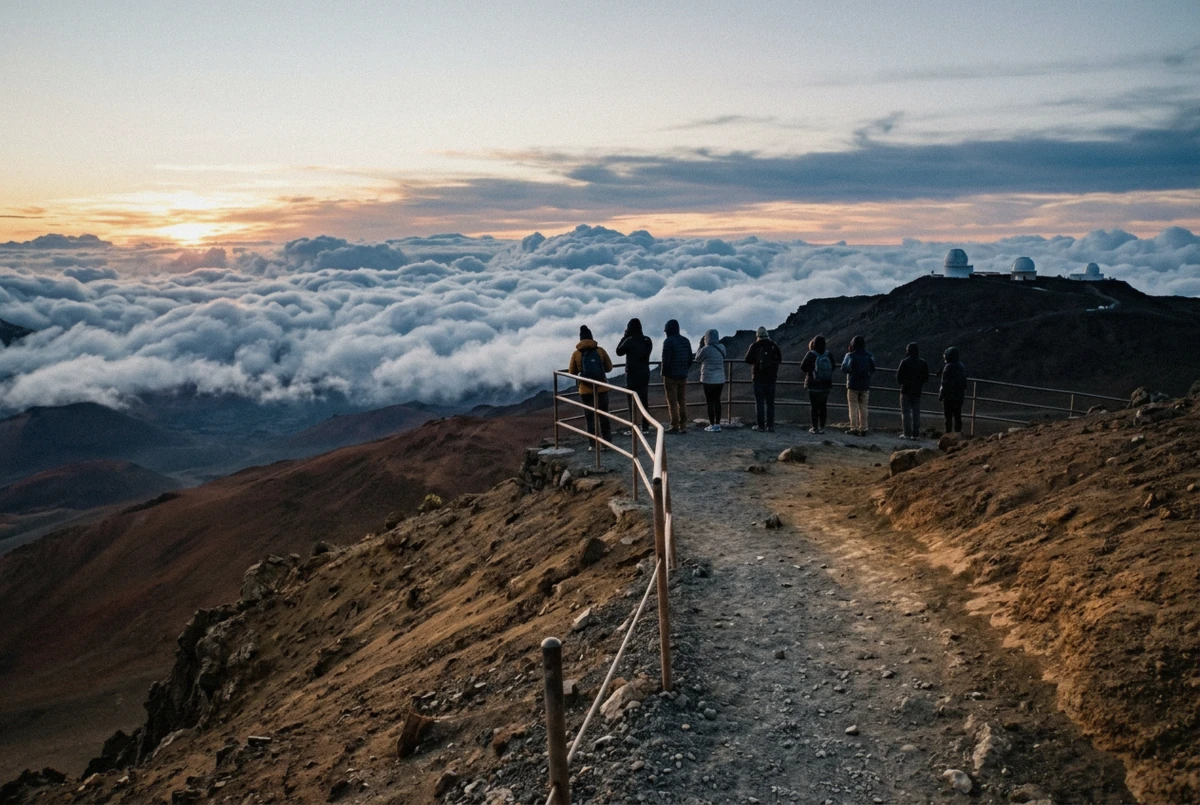
The one place your beach wardrobe fails completely is the Haleakala sunset tour. The summit sits at 10,023 feet, and at sunset it is near-freezing in any month, with wind that makes it feel colder. The operator provides jackets, gloves and warm clothing, which is why this tour stays bookable in beach clothes at all, but the smart move is your own base: long pants, socks, closed shoes, and a warm layer you peel off as the van descends back into the warm evening.
If you want summit portraits in something photogenic rather than expedition-grade, wear the dress and put the provided jacket on between frames; the guide shooting the above-the-clouds photos has watched hundreds of people learn this order the hard way.
Water Sessions: The Swim Top Is on You
The mermaid session provides the spectacle: swimmable tails from toddler through adult sizes, monofins and accessories, with fitting and styling help included. What it does not provide is a top. Bikini tops are not included except for toddlers and for bridal shoots, so wear your own swimwear under your clothes and bring the change of clothes for afterwards.
The Turtle Town snorkel is the opposite case: gear, underwater photography and even tips are all folded in, so your entire packing job is swimwear, a towel and reef-safe sunscreen applied before you board.
What to Wear, by the Session You Booked
If you booked a golden-hour beach session
one flowing layer in cream, sage or terracotta, a fitted layer underneath for the wind, barefoot, hair plan, light jacket in the car
If you booked the Haleakala sunset tour
long pants and closed shoes, your own warm base layer, and let the tour's jackets and gloves do the rest
If you booked the mermaid or Turtle Town session
your own swimwear with a secure top, a towel and a change of clothes; everything technical is provided
If you booked the Road to Hana photo day
quick-dry clothes over swimwear, closed shoes for trails; water shoes, towels and water are provided onboard
If you are coordinating a family
pick a two-to-three-color palette, dress the adults first, keep patterns to one person in three, and pack a backup outfit for anyone under five
What to Wear on Maui: The Questions Travelers Ask
What should you wear for pictures in Hawaii?
Soft, single-layer fabrics in muted colors that sit beside the landscape rather than compete with it: cream, sage, terracotta, muted blue, or one deep jewel tone at sunset. Comfort outranks trend, because discomfort shows in every frame, and the photographers who shoot here say the same thing in different words: coordinate the group's palette, never match it exactly.
What are the best colors to wear for a beach photoshoot?
On golden sand, warm earth tones lead: cream, terracotta, camel and warm white pick up golden-hour light. Muted blues and sages echo the water. The colors to avoid are neon, which reflects onto skin, and large busy patterns, which pull attention off faces. The color table above grades eight options frame by frame.
What are the best colors for family photos in Hawaii?
Pick two or three colors that belong together, let each person interpret them differently, and anchor the palette on whoever is pickiest about their outfit. Cream plus sage plus soft blue is the combination one Maui family studio calls its most versatile; warm neutrals work best at sunset. Keep patterns to roughly one person in three.
What should you bring to a photo shoot that most people forget?
Hair clips for the trade winds, a change of clothes, small cash for tips where they are not folded in, and reef-safe sunscreen applied before the session starts. The checklist above is the full ten-item list, and everything technical, from permits to snorkel gear, rides with the session.
Can I wear jeans for a Maui photoshoot?
On the beach, they work against you: heavy in the heat, slow to dry if the shorebreak catches you, and stiff in exactly the frames where movement looks best. Dark clean denim earns its place upcountry and at Haleakala, where the summit cold makes long pants the smart base under the tour's provided jacket.
Can I wear shorts to a beach session?
Yes, and for men it is one of the standard answers: linen or chino shorts with a plain short-sleeve or rolled linen shirt photographs cleanly at every beach in the catalog. Choose quick-dry fabric if your session touches water, and skip cargo pockets, which bulge in profile shots.
The honest summary is that Maui asks less of your suitcase than almost any photoshoot destination: the light is warm, the dress code is barefoot, and the sessions carry the specialist gear. Get the palette right, pass the sunscreen law, plan one warm layer for altitude, and let this Maui photoshoot guide match the session to the outfit. What the session itself feels like, from booking to gallery delivery, is walked through step by step in what to expect from a Maui photoshoot, and if the outfit you are really planning around is a two-meter train in the wind, that is its own genre with its own rules: the flying dress.